Older Home Electrical Update Checklist: 10 Things Florida Homeowners Should Check
10 Things Florida Homeowners Should Check
If you own an older home in Dunedin, Clearwater, Palm Harbor, Safety Harbor, or anywhere in Pinellas County, your electrical system may be older than many of the appliances and improvements in your home.
That doesn't necessarily mean you need to replace everything. But older electrical systems can have outdated components, limited capacity, or safety concerns that aren't obvious to the homeowner.
Before you invest in another home improvement project, use this checklist to see whether your home's electrical system deserves a closer look.
Older Home Electrical Update Checklist
1. Check the Age and Condition of Your Electrical Panel
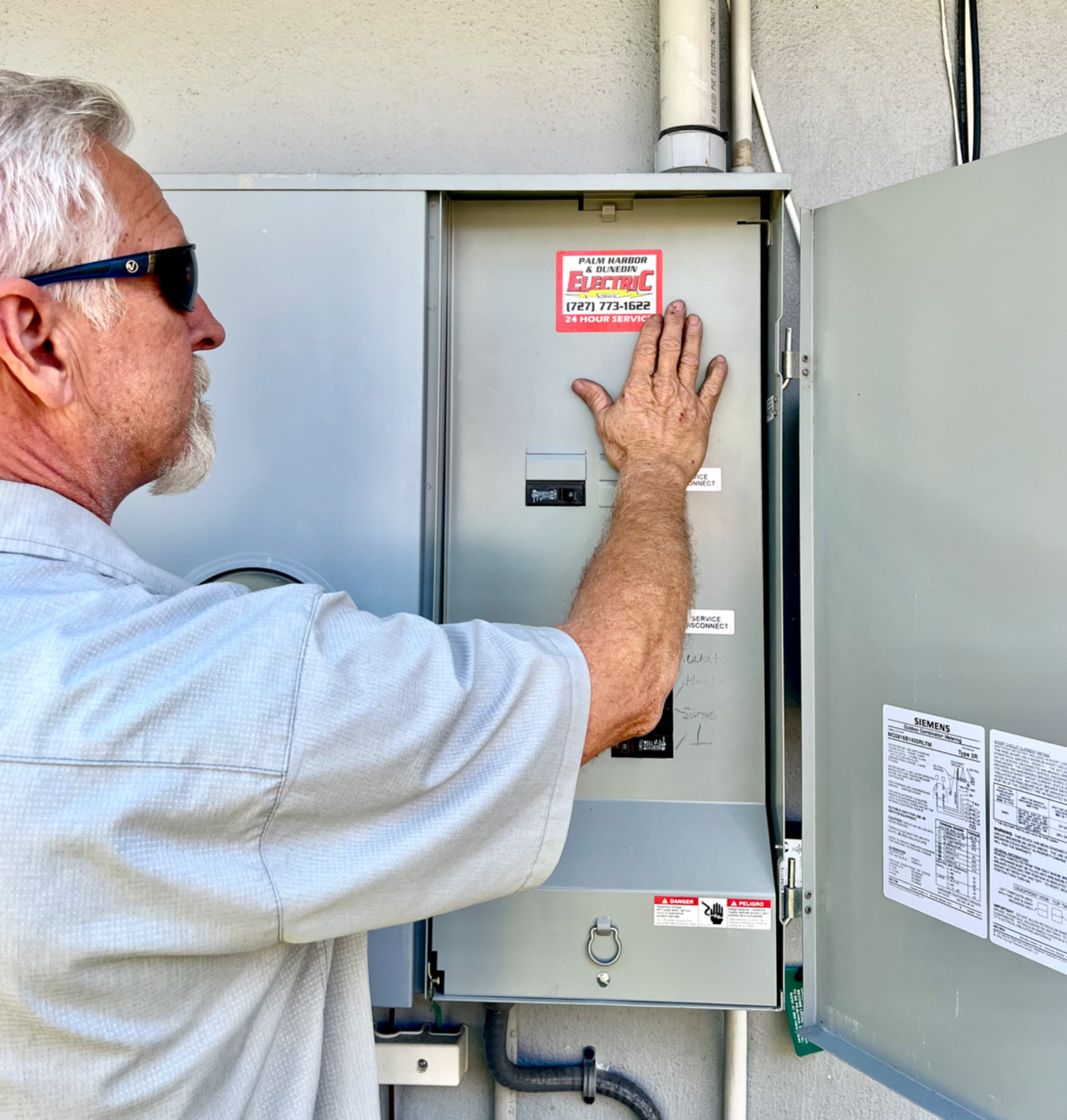
Your electrical panel is the heart of your home's electrical system.
If your panel is older, shows signs of damage, has corrosion, makes unusual sounds, or frequently trips breakers, it's worth having a licensed electrician evaluate it.
Also consider whether your electrical needs have changed significantly since the panel was installed.
Today's homes often have substantially more electrical demand because of:
- Air conditioning systems
- Pool equipment
- Electric vehicles
- Hot tubs
- Home offices
- Large appliances
- Entertainment systems
- Additional lighting
An older panel may not be well suited to today's electrical demands.
2. Look for Frequently Tripping Breakers
An occasional tripped breaker can happen. But if you're constantly resetting the same breaker, don't simply keep turning it back on.
Frequent breaker trips can indicate an overloaded circuit, a wiring problem, a faulty appliance, or another electrical issue.
Don't treat a repeatedly tripping breaker as normal.
Have the underlying cause diagnosed by a qualified electrician.
3. Test Your GFCI Outlets
Ground-fault circuit interrupters, commonly called GFCIs, are designed to help protect people from electrical shock.
You should expect to find GFCI protection in areas where electricity and water may come into contact, including kitchens, bathrooms, garages, and outdoor areas.
Look for outlets with TEST and RESET buttons.
If a GFCI won't reset, doesn't appear to work properly, or you're unsure whether certain areas of your home have appropriate protection, have an electrician inspect the system.
4. Check for Two-Prong Outlets
Older homes sometimes still have two-prong electrical receptacles.
Modern electrical equipment commonly expects properly grounded three-prong outlets.
If you have two-prong outlets throughout portions of your home, don't assume that simply replacing the receptacle with a three-prong outlet solves the problem.
The electrical system needs to be evaluated to determine what type of grounding and protection is actually present.
5. Watch for Flickering or Dimming Lights
Do your lights flicker when the air conditioner starts?
Do they dim when you turn on another appliance?
Occasional changes can have simple explanations, but persistent flickering or unusual electrical behavior deserves attention.
It could indicate a loose connection, overloaded circuit, wiring issue, or another problem that should be diagnosed.
6. Pay Attention to Warm or Discolored Outlets
An electrical outlet should not normally feel hot.
If you notice:
- A warm outlet
- Discoloration
- Scorch marks
- Cracks
- A burning smell
- Buzzing or crackling
stop using the outlet and have it inspected. These can be warning signs of an electrical problem.
7. Look at Your Home's Wiring
You don't need to start opening walls to inspect your home's wiring.
Instead, pay attention to what you can safely observe. If you're buying an older home, renovating, or experiencing electrical problems, have a professional evaluate the wiring where appropriate.
This is especially important if previous renovations were completed by unknown contractors or if the home's electrical history is unclear.
8. Consider Your Surge Protection
Florida homeowners have plenty of reasons to think about electrical surges.
Storms and utility events can damage sensitive electronics and electrical equipment.
A whole-home surge protection system can provide an additional layer of protection for your home's electrical system. If your home doesn't currently have surge protection, ask a licensed electrician whether it makes sense for your property.
9. Think About Your New Electrical Needs
One of the biggest reasons an older home may need an electrical update is simple:
The homeowner's electrical needs have changed.
Maybe you recently added:
- An EV charger
- Pool equipment
- A new HVAC system
- A home office
- Outdoor lighting
- A hot tub
- A workshop
- New kitchen appliances
Before adding major electrical loads, have your existing system evaluated.
It may be perfectly capable of handling the new equipment—or you may need an electrical upgrade first.
10. Get an Electrical Evaluation Before Buying or Renovating
If you're purchasing an older home or planning a major renovation, an electrical evaluation can help you understand what you're working with before you start spending money.
An electrician can identify potential problems and explain which improvements are:
Urgent → Recommended → Optional
That distinction is important. Not every older electrical component needs to be replaced immediately. A good electrician should be able to explain what needs attention now, what can wait, and what improvements may make sense for your home's future needs.
What Age Is Considered an "Older" Home?
There isn't one specific age at which a home suddenly becomes electrically outdated. A 30-year-old home may have an excellent electrical system, while a newer home can have electrical problems. The home's age is simply one factor.
Other important factors include:
- Previous renovations
- Electrical panel age
- Wiring condition
- Changes in electrical demand
- Previous electrical repairs
- Added appliances and equipment
- Maintenance history
That's why an electrical evaluation is more useful than making decisions based solely on the year your home was built.
A Simple Rule for Pinellas County Homeowners
If your home is older and you're unsure about its electrical system, don't wait for something to go wrong before finding out what you have. A professional evaluation can give you a better understanding of your home's electrical condition and help you prioritize improvements. And if everything looks good? That's useful information too.
You don't want to replace electrical equipment simply because it's old. You want to replace or upgrade it when there is a good safety, reliability, capacity, or performance reason to do so.
Ready to Find Out What Your Older Home Needs?
Dunedin Electric has been serving Pinellas County homeowners since 1987.
If you're concerned about an older electrical panel, outdated outlets, frequent breaker trips, flickering lights, surge protection, or adding new electrical equipment to your home, our team can evaluate your system and explain your options.
Don't guess about your home's electrical system. Get the information you need to make an informed decision.
Contact Dunedin Electric today!